




Tulip — Chanderi Silk-Cotton Saree in Powder Blue

SKU: PACHWH023
Rs. 8,980.00

The tulip arrived in India through the Mughal courts and never really left. It found its way into gardens, into paintings, into the hands of Chanderi's weavers — who have been placing it in silk ever since.

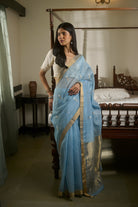
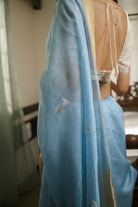
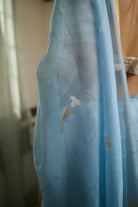
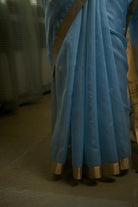
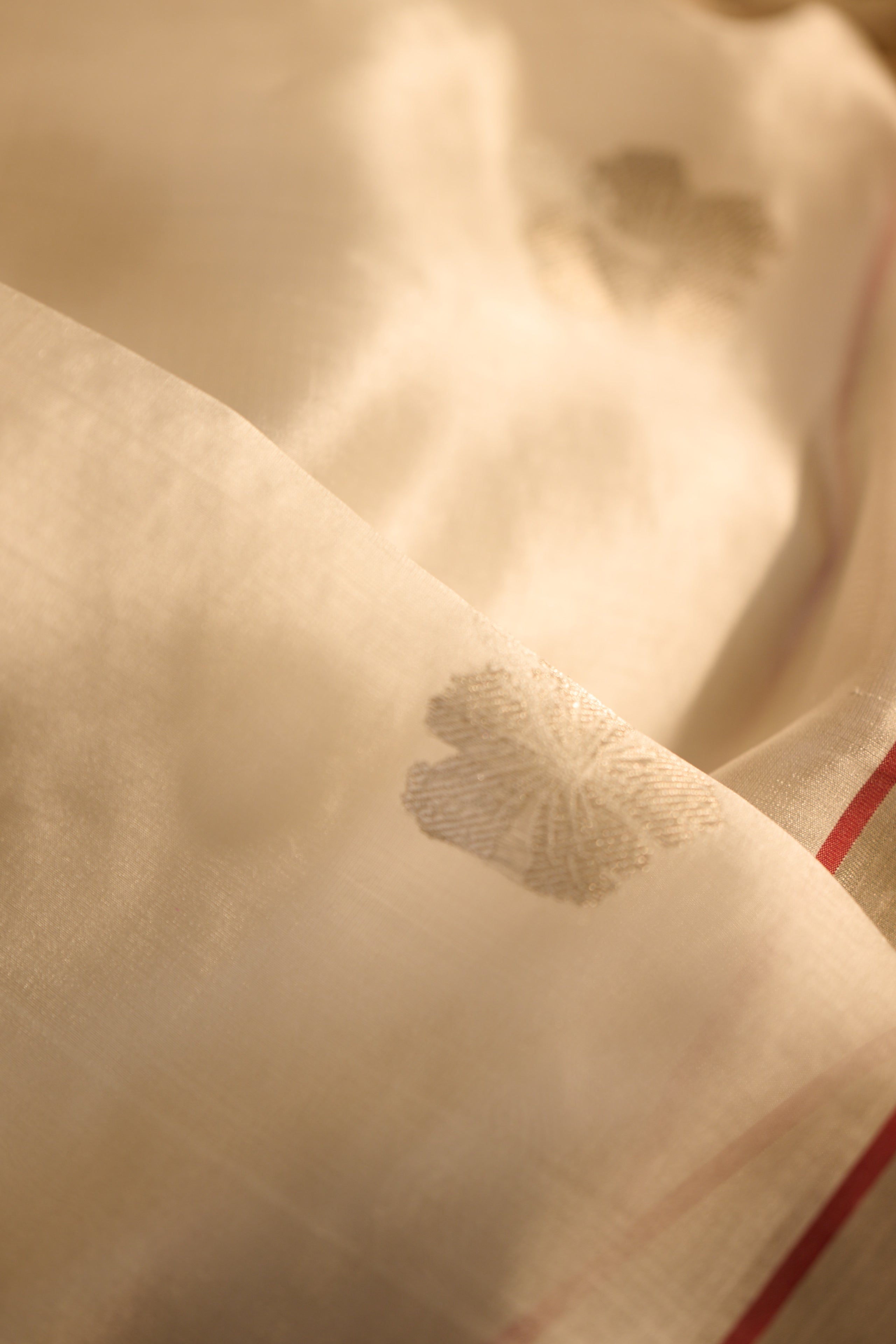
Tulip is woven in Chanderi silk-cotton in powder blue — a colour so soft it seems to hold its breath. Across the fabric, delicate tulip butis are woven at intervals, each one a small act of the weaver's hand, neither rushed nor repeated mechanically. The silk-cotton blend gives the saree a natural ease — the luminosity of silk with the lightness of cotton, so it drapes softly and breathes through a full day of celebration.

This is the saree for the woman who brings quiet warmth to every room she enters. Not the loudest presence. The most remembered one.

Fabric: Chanderi silk-cotton blend Motif: Woven tulip butis

Blouse piece: Included 

Handwoven in Chanderi, Madhya Pradesh
Fabric

Silk Cotton

Blouse

Included

Care and Shipping

Gently hand wash in cold water, and air dry the saree in shade. Iron in medium heat only.

Every saree is handwoven. Any unevenness in weave or its motif is not a defect but its a beauty of hands. This makes each piece unique and beautiful.

After placing the order, we will ship your order in 1 to 3 days.

Disclaimer

Product color may slightly vary due to photographic lighting sources or your monitor settings. The blouse worn by the model is for styling purposes only and is not included with the saree. The saree comes with a running blouse piece.

By Panaah

Chanderi

Chanderi craft refers to the traditional handloom weaving practiced in the town of Chanderi, located in Madhya Pradesh, India. This craft is renowned for its lightweight and sheer fabric, often made from cotton, silk, or a blend of both. Chanderi saris and fabrics are characterised by their fine texture, glossy transparency, and intricate traditional motifs like peacocks, coins, and geometric patterns. The craft has a rich history dating back to the 13th century and continues to be valued for its elegance and quality in contemporary fashion and textile industries.